


HOW TRANSPIRA WAS BORN

It started with a simple question: what are we getting wrong?

Transpira emerged during a period of significant organizational strain.
The company I was working with had over 300 employees, operated in a high-pressure financial environment, and was facing a clear slowdown.

Results were no longer consistent.
Pressure increased. Teams became rigid. Decisions grew heavier.
As often happens, the first reaction was to look outward for solutions.

We tried everything typically deployed in these situations:
team events, financial incentives, promotions, additional commissions, reward trips, corporate gatherings.

Each initiative delivered a short-term boost.
Then the energy dropped again — sometimes faster than before.


A Different Perspective

At that point, I began to reframe the problem.
From a young age, I had practiced breathing protocols, meditation, and internal state regulation techniques — applying them personally to manage pressure, maintain focus, and recover energy.

I asked myself whether what worked at an individual level could work at scale
— not to “relax” people, but to create the right internal conditions to perform under sustained pressure.

The question became unavoidable:
What if the issue wasn’t what we were doing — but the internal state from which we were doing it?


The Answer

Transpira was born from that insight.
Not as a one-off initiative, but as a structured method designed to address stress regulation and restore operational clarity directly within organizations.

When we began working at that level, the changes became sustainable:
clearer decisions, less reactivity, stronger execution continuity.

Performance didn’t improve because people were pushed harder. It improved because they were finally operating from a stable internal state capable of sustaining pressure.


Transpira

Transpira was built as a practical response to a real organizational problem experienced from the inside.

It is designed for companies that are not looking for temporary boosts
— but for stronger, more sustainable results, starting with the people who drive them.

AREAS OF TRANSFORMATION

How the Organizational Climate Shifts

Lower Turnover

Fewer disengaged employees. Reduced avoidable attrition driven by sustained pressure and chronic fatigue.

Sustainable Productivity

More high-quality output. Less rework. Productivity improves because energy is no longer drained by stress, urgency, and cognitive overload.

Stronger Decision-Making

Fewer reactive choices. Fewer costly mistakes. As pressure stabilizes, strategic decisions become clearer and more consistent.

Reduced Absenteeism

Lower recurring absences. Greater real presence. Fewer operational gaps during critical periods.

Operational Cohesion

Less friction slowing execution. Teams function with alignment rather than constant tension.

Long-Term Revenue Stability

Stronger execution. Fewer internal disruptions. Revenue benefits indirectly from a more stable and resilient internal structure.

32
30
31
IMG_6206
33

HOW IT WORKS

THE TRANSPIRA METHOD

01

Initial Brief

This is the moment to understand the organizational context and the current level of operational pressure. From this discussion, we define objectives, priorities, delivery format, and session frequency.

02

Operational Setup

We define group size and logistics, ensuring full compatibility with daily workflows. Participants receive a clear explanation of how the sessions will unfold and what to expect.

03

Guided Session

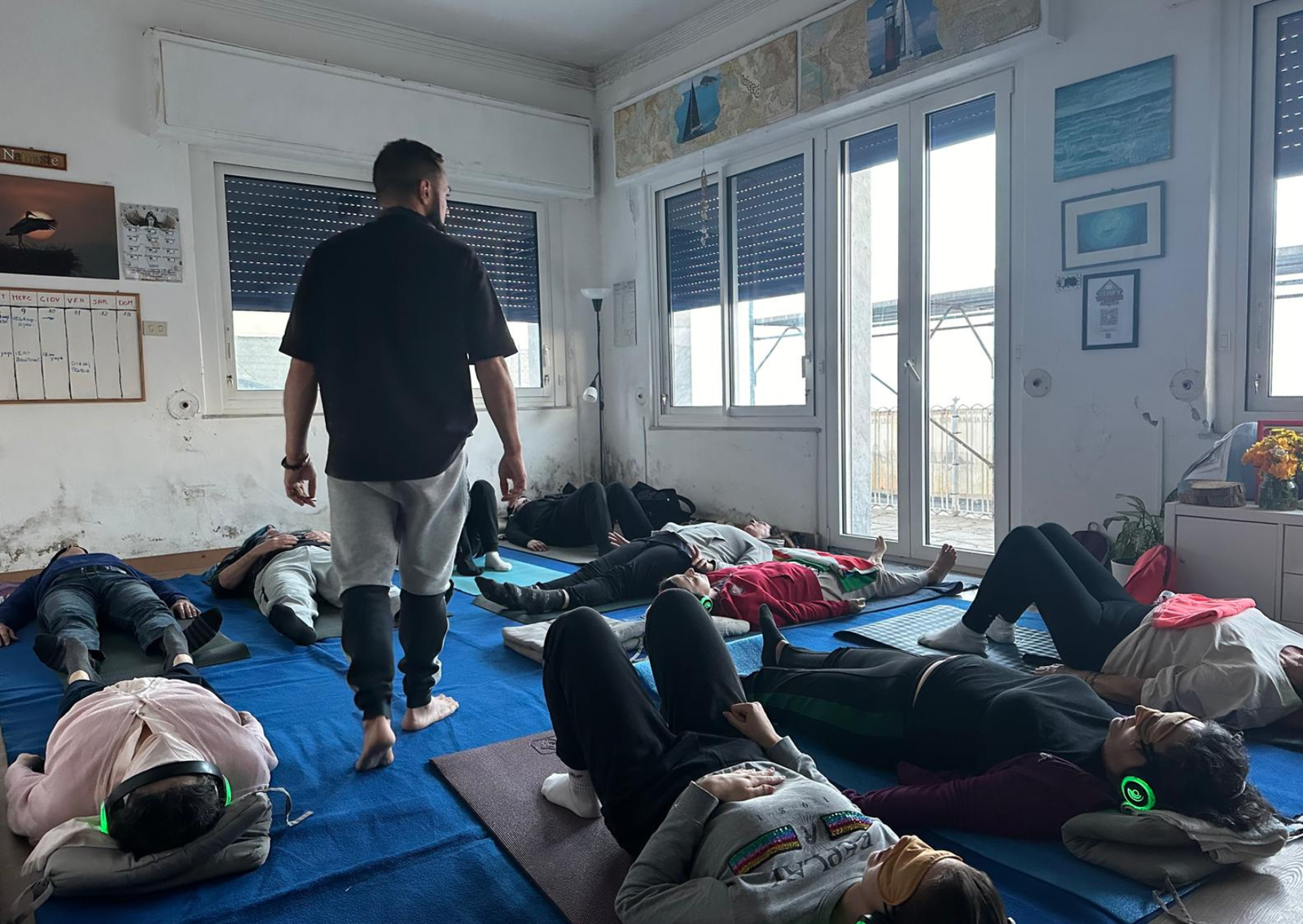
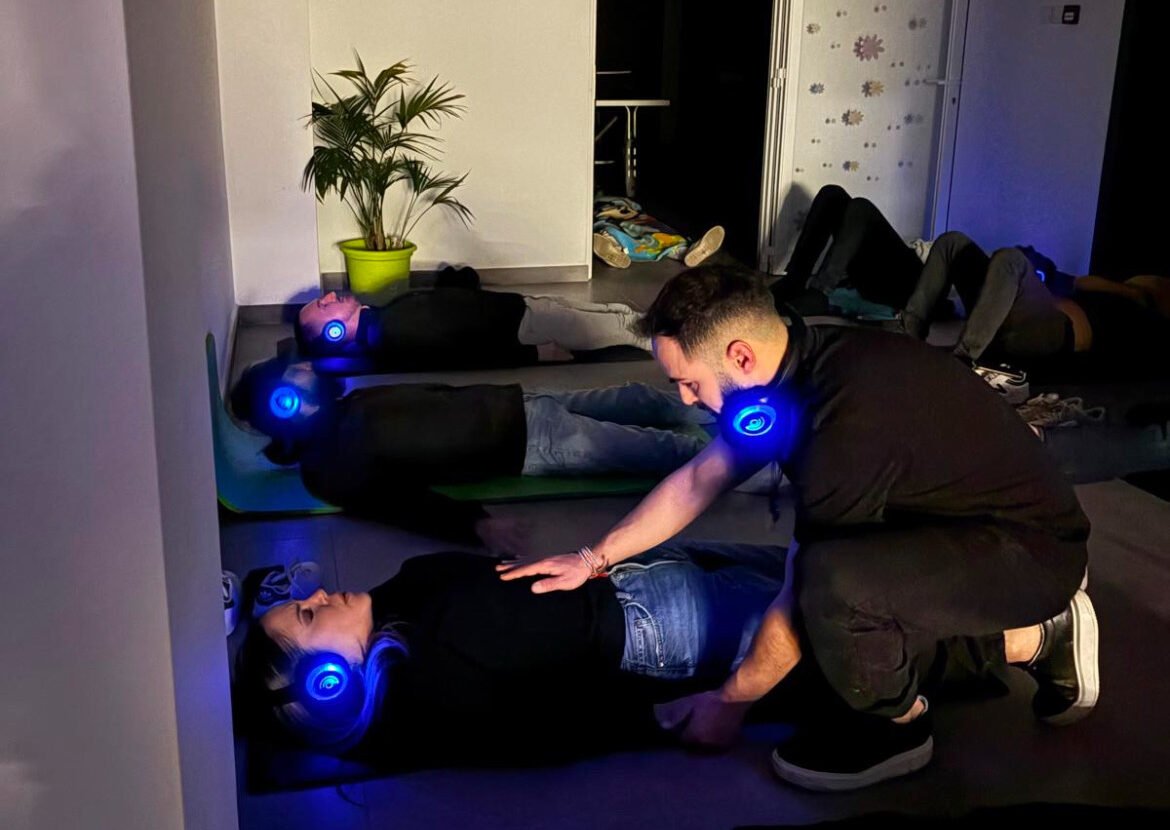
Sessions are delivered in person and led directly by me. Through immersive headphones and structured breathing protocols, participants engage in a guided process of stress regulation and mental clarity restoration.

04

Integration

Sessions are integrated over time with a sustainable cadence. This allows effects to stabilize and supports more consistent performance, especially under pressure.

05

Review

At defined intervals, we review progress with decision-makers. We assess the intervention’s impact and adjust group composition, frequency, or format if necessary.

WHERE TRANSPIRA FITS

Who This Method Is For

Transpira is not for everyone. It is designed for organizations willing to address the internal drivers that are limiting performance today.

Transpira is right for your organization if:

You see results slowing down despite solid skills and structured processes

You manage teams under sustained pressure and recognize stress is becoming an operational cost

You want to reduce turnover, absenteeism, and performance volatility— not just temporarily patch them

You are looking for a practical, work-integrated intervention— not theory or motivational sessions

You are willing to address root causes , not just visible symptoms

You seek stable, sustainable performance— not short-lived peaks

Transpira Is Not Right for your organization if:

You are looking for a one-off team-building activity or corporate event

You want a quick boost to temporarily “lift morale”

You believe the issue is simply employee attitude or commitment

You expect immediate results without continuity or structured integration

You see investment in internal regulation and mental resilience as a cost rather than a strategic lever

You are unwilling to rethink how pressure is managed within your organization

Questions & Answers

Frequently Asked Questions

What does it cost?

There is no fixed price.
The investment depends on several factors: company size, number of participants, session frequency, duration of the intervention, and overall operational complexity.

For this reason, every Transpira engagement begins with a dedicated assessment.
Only after understanding your organization’s specific context can we define a proposal aligned with your real needs and strategic objectives.

Transpira does not focus on motivation, skills development, or perks.
It works on the internal state from which people handle pressure, responsibility, and decision-making every day.

That is why the impact is not temporary. It leads to more stable shifts in how teams sustain workload, manage complexity, and execute under pressure.

2. How much time does it require from teams?

Sessions are designed to integrate seamlessly into the existing workflow.
Duration and frequency are defined according to operational demands, ensuring no disruption to daily productivity.

The objective is not to take time away from work — but to improve the quality of the time spent working.

No.
The method does not require prior belief, ideological alignment, or a particular predisposition.

Sessions are guided and structured.
The benefits emerge from the direct physiological and cognitive experience — not from initial conviction.

What does it cost?

There is no fixed price.
The investment depends on several factors: company size, number of participants, session frequency, duration of the intervention, and overall operational complexity.

For this reason, every Transpira engagement begins with a dedicated assessment.
Only after understanding your organization’s specific context can we define a proposal aligned with your real needs and strategic objectives.

Sessions are designed to integrate seamlessly into the existing workflow.
Duration and frequency are defined according to operational demands, ensuring no disruption to daily productivity.

The objective is not to take time away from work — but to improve the quality of the time spent working.

Transpira does not focus on motivation, skills development, or perks.
It works on the internal state from which people handle pressure, responsibility, and decision-making every day.

That is why the impact is not temporary. It leads to more stable shifts in how teams sustain workload, manage complexity, and execute under pressure.

No.
The method does not require prior belief, ideological alignment, or a particular predisposition.

Sessions are guided and structured.
The benefits emerge from the direct physiological and cognitive experience — not from initial conviction.